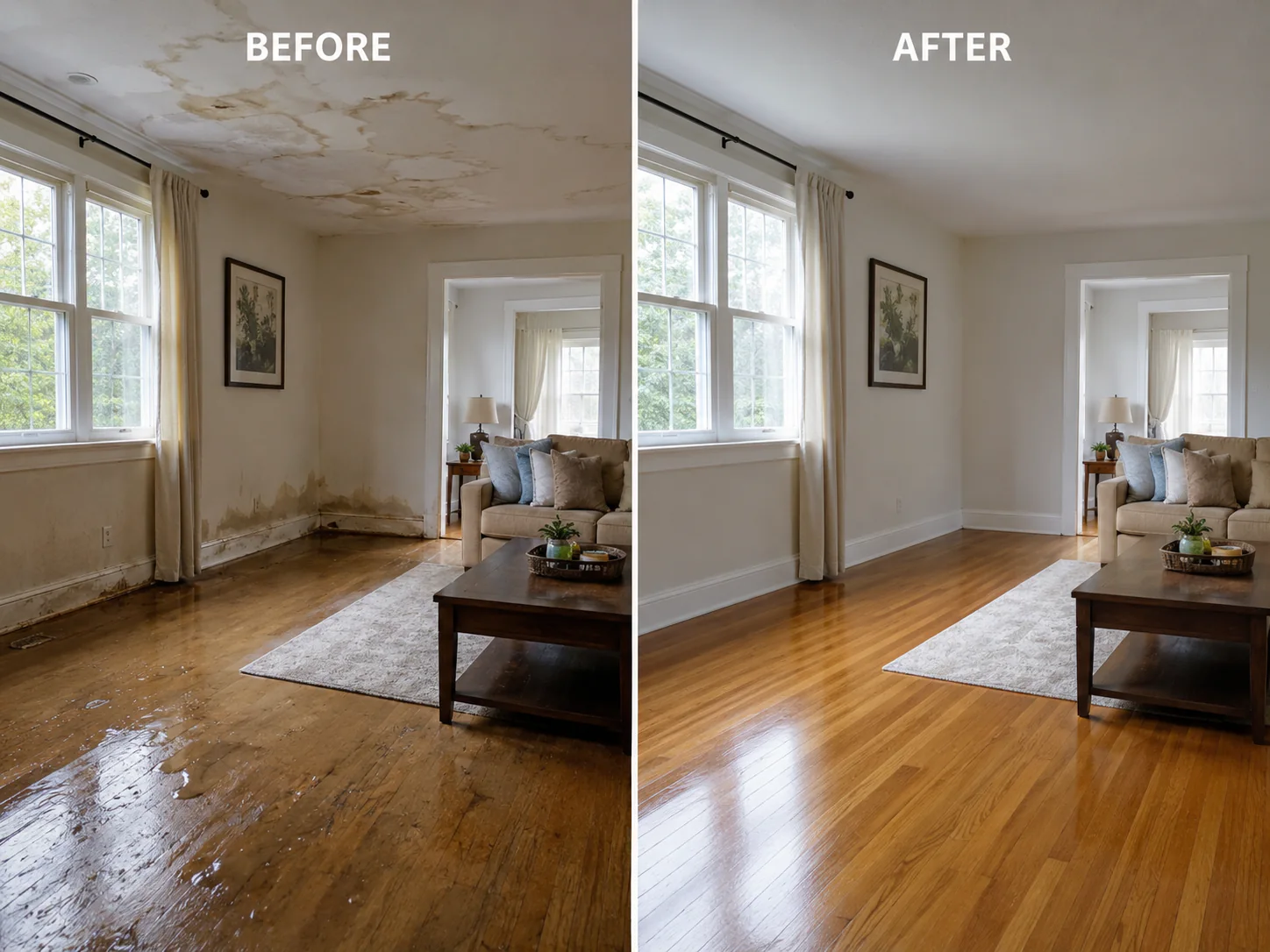
Bob Vila notes it can sit for months or years, rotting joists and feeding mold.
Where crawl space water comes from, especially after heavy rain
Water after a storm usually points to drainage or groundwater. Many homes have more than one source, and This Old House notes that fixing only one often leaves the problem in place.
- Surface water: clogged gutters, a bent or misdirected downspout, or ground sloping toward the house lets rain pool at the foundation and seep in.
- Groundwater: after heavy rain, saturated soil pushes water through foundation walls and floors, even without visible cracks. It is worst in the rainy season.
- Plumbing leaks: pipes, the dishwasher, washing machine or fridge water line. Usually one of the easier sources to repair once found.
- Condensation and humidity: warm, humid air condensing on cool ducts and pipes. Rarely makes big puddles, but can drive mold and rot.
What standing water damages if it stays under the house
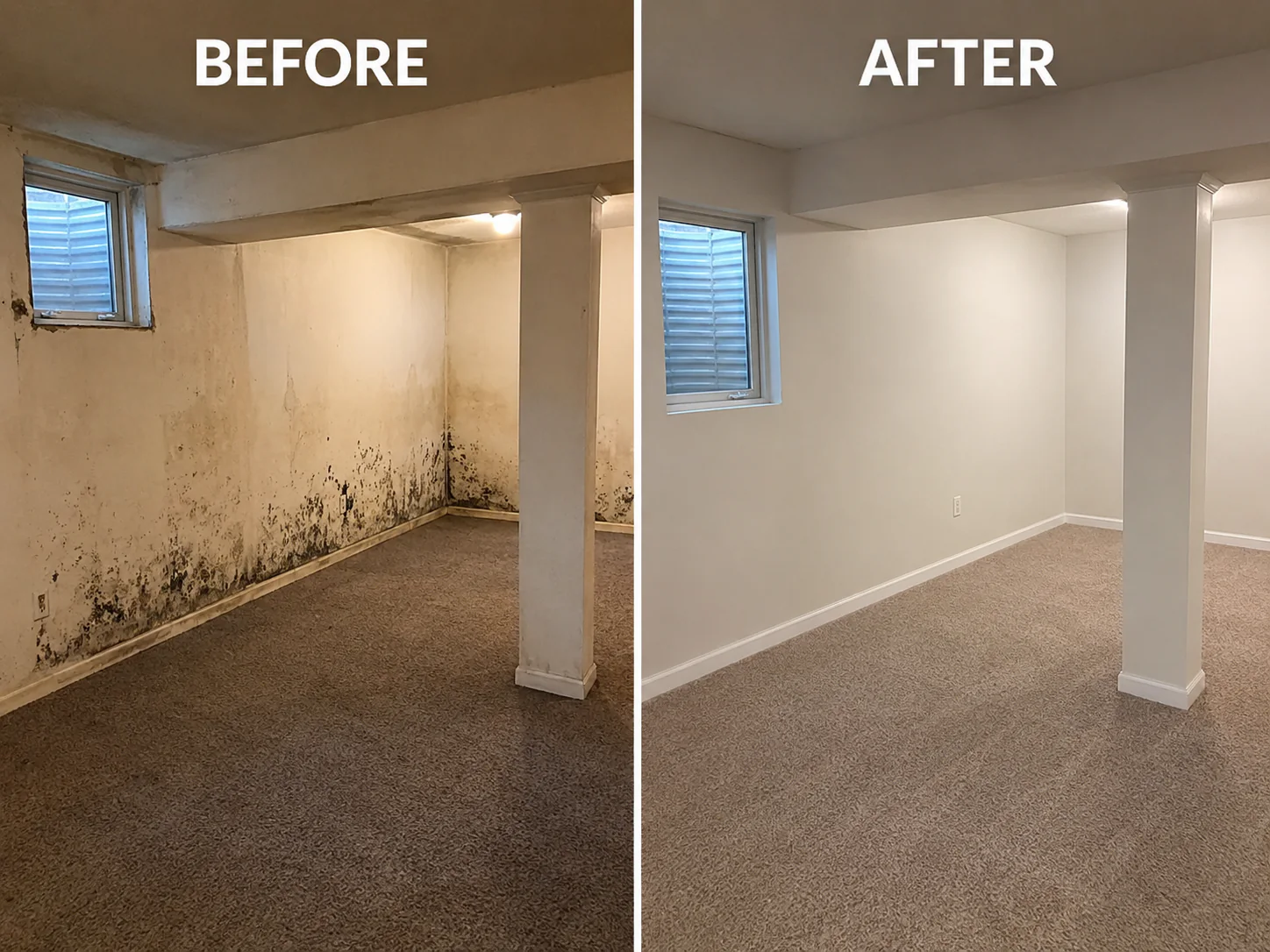
Even small amounts of lasting moisture affect the structure and the air you breathe upstairs. In our climate, mold can start in as little as 48 hours behind a wall.
- Wood rot and mold on joists, beams and insulation, which can weaken the framing over time.
- Foundation erosion from water that sits for long periods.
- Musty odours and allergens drawn up into the living areas above.
- Higher heating and cooling costs, because moist air is harder to condition.
- More insects and rodents, which are drawn to damp spaces.
- Signs upstairs: musty smell on the first floor, a humid feel with the HVAC running, soft or sagging floors.
Safe first steps before anyone enters a wet crawl space
Check the hazards before you check the damage. Bob Vila advises looking for wires or outlets in the water first and airing the space out, since heavy gases can settle in low areas.
- Look for electrical wiring or outlets in or near the water before entering.
- Run one or more fans to air the space out before going in, if possible.
- Wear heavy gloves, knee pads, long sleeves, long pants and closed-toe shoes.
- If water is coming from a line or appliance, close the nearest isolation valve or the main shut-off.
- Photograph everything before you move it.
Drying it out: pump, shop vac, fans and dehumidifier compared
The right tool depends on how much water there is. A pump suits a flooded space; puddles can be handled with lighter equipment. Either way, drying finishes with air movement and dehumidifying.
- Submersible pump: the quickest way to empty a flooded crawl space; not needed if it is only damp.
- Wet/dry shop vac: suits a few puddles or a small flood.
- Fans: blow air across damp areas once the water is out; keep the access open for ventilation.
- Dehumidifier: pulls moisture from the air to finish the drying.
Keeping water out: match the fix to the cause
The lasting fix depends on the source you found.
- Gutters and downspouts: clean them, repair damage and extend downspouts away from the foundation.
- Grading: minor slope problems can be DIY landscaping; major ones need a professional contractor.
- Sump pump: suited to crawl spaces that flood repeatedly, especially from groundwater.
- Vapor barrier: heavy plastic over the soil reduces rising moisture; sealing seams and edges helps.
- Crawl space dehumidifier: choose one sized for the space that switches on by itself at a set humidity.
- Air leaks and vents: limiting outside air helps keep humidity stable.
How we assess and dry crawl space water damage
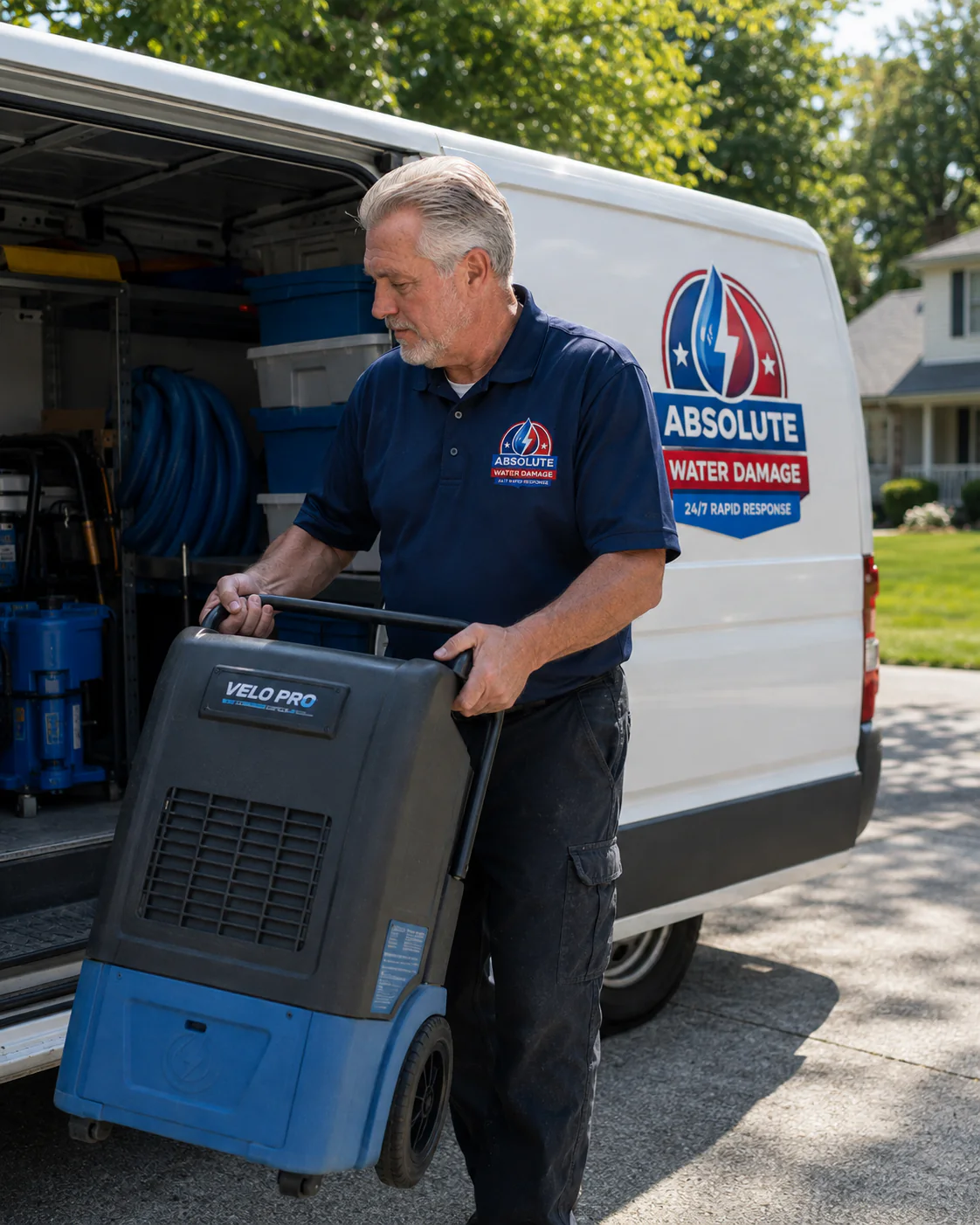
We find the moisture source first, using infrared cameras and moisture detection equipment to locate water behind surfaces. Our technicians are IICRC certified, and the extractor is loaded before we arrive.
We won't guess at a price sight unseen: we look in person, then sit down with you and go through the estimate. If insurance is involved, we price in Xactimate, the software adjusters use, and in most losses bill your carrier directly. On remediation jobs, photographs, moisture logs and verification go to you and your carrier before we leave.
Common questions
Is standing water in a crawl space urgent?
It is worth acting on soon. Standing water can sit for months, rotting wood and feeding mold, and in our climate mold can start in as little as 48 hours behind a wall.
Do I have to wait for my insurance adjuster before drying starts?
No. You have the right to start emergency mitigation before an adjuster calls you back. Photograph everything before you move it.
Can I pump out the crawl space myself?
For a few puddles, a wet/dry shop vac, fans and a dehumidifier can work; a submersible pump suits a flooded space. Check first for wiring in the water and air the space out before entering.
Will a vapor barrier stop standing water?
Not on its own. A vapor barrier reduces moisture rising from the soil, while a sump pump is what removes water in spaces that flood. Many homes need both, plus drainage fixes outside.
What happens next
Water damage and crawl space dryingSources
- What To Do About Water in Your Crawlspace - This Old House — thisoldhouse.com
- Water in a Crawl Space Can Wreak Havoc On a Home—Here's What to Do About It - Bob Vila — bobvila.com
- Water Management of Existing Crawlspace Floor | Building America Solution Center — Pacific Northwest National Laboratory (DOE Building America Solution Center)
- Inspecting Under-Floor Crawl Spaces: A Guide for Home Inspectors (2024 IRC® Section R408) - InterNACHI® — NACHI (National Association of Certified Home Inspectors)