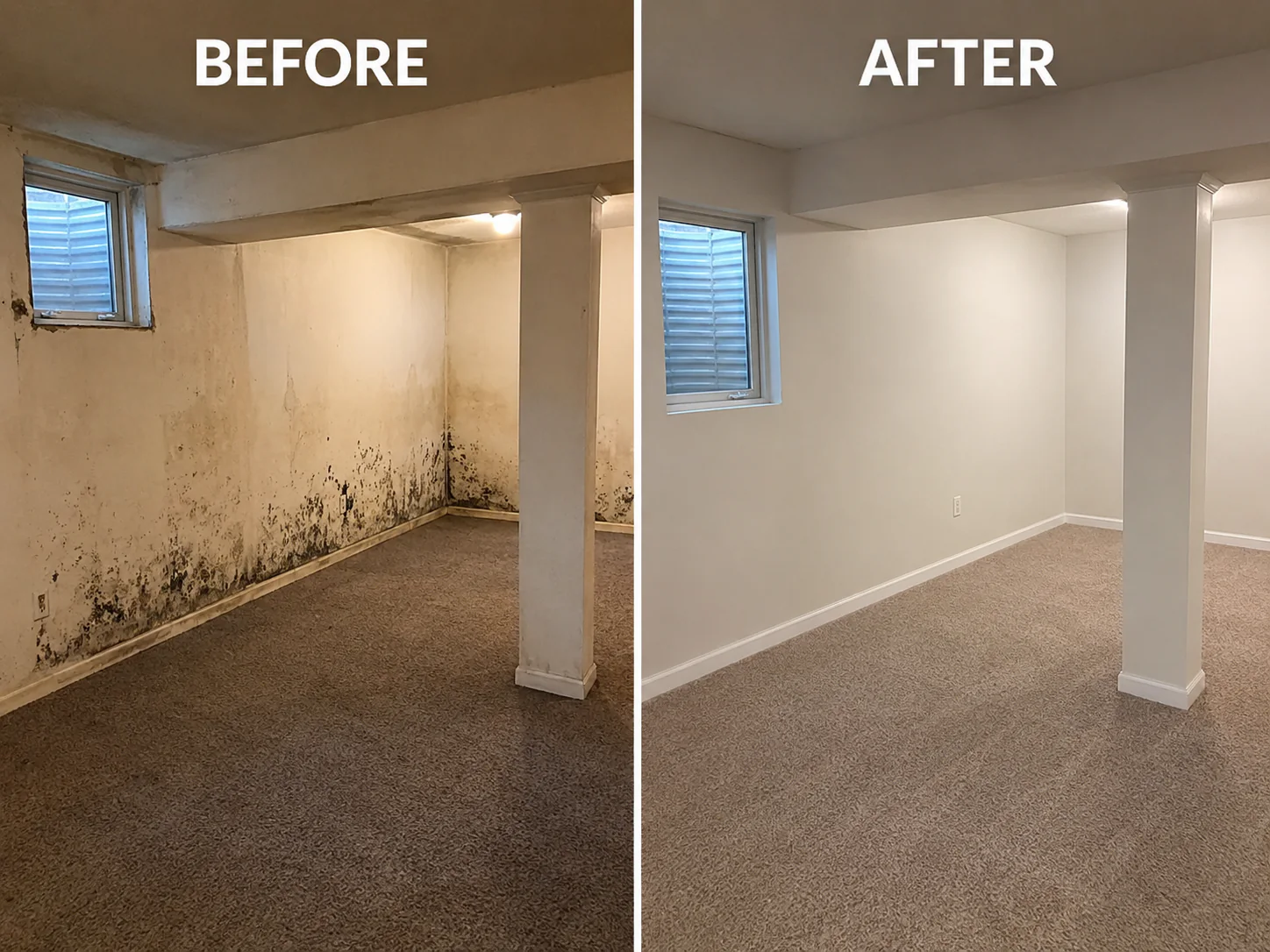
The Washington State Department of Health adds two more clues: a musty odor, and small black or white specks on damp bathroom or basement walls. Hidden spots such as ceilings, attics and crawl spaces are often overlooked when drying. Below is what each area shows, why speed matters, and when a professional check makes sense.
Wall signs that usually mean water is already inside
Treat changes in a wall's surface as a sign of water, not a cosmetic issue. The EPA advises looking into these signs quickly because they often point to a leak, with hidden mold and damage likely behind them.
- Wallpaper or wall coverings that ripple or bubble.
- Drywall tape that cracks along seams.
- Paint that peels or lifts.
- A musty or moldy odor, even when nothing is visible.
- Small black or white specks on damp walls.
- Damp spots inside cold exterior walls, or behind dressers, headboards and items stored in closets.
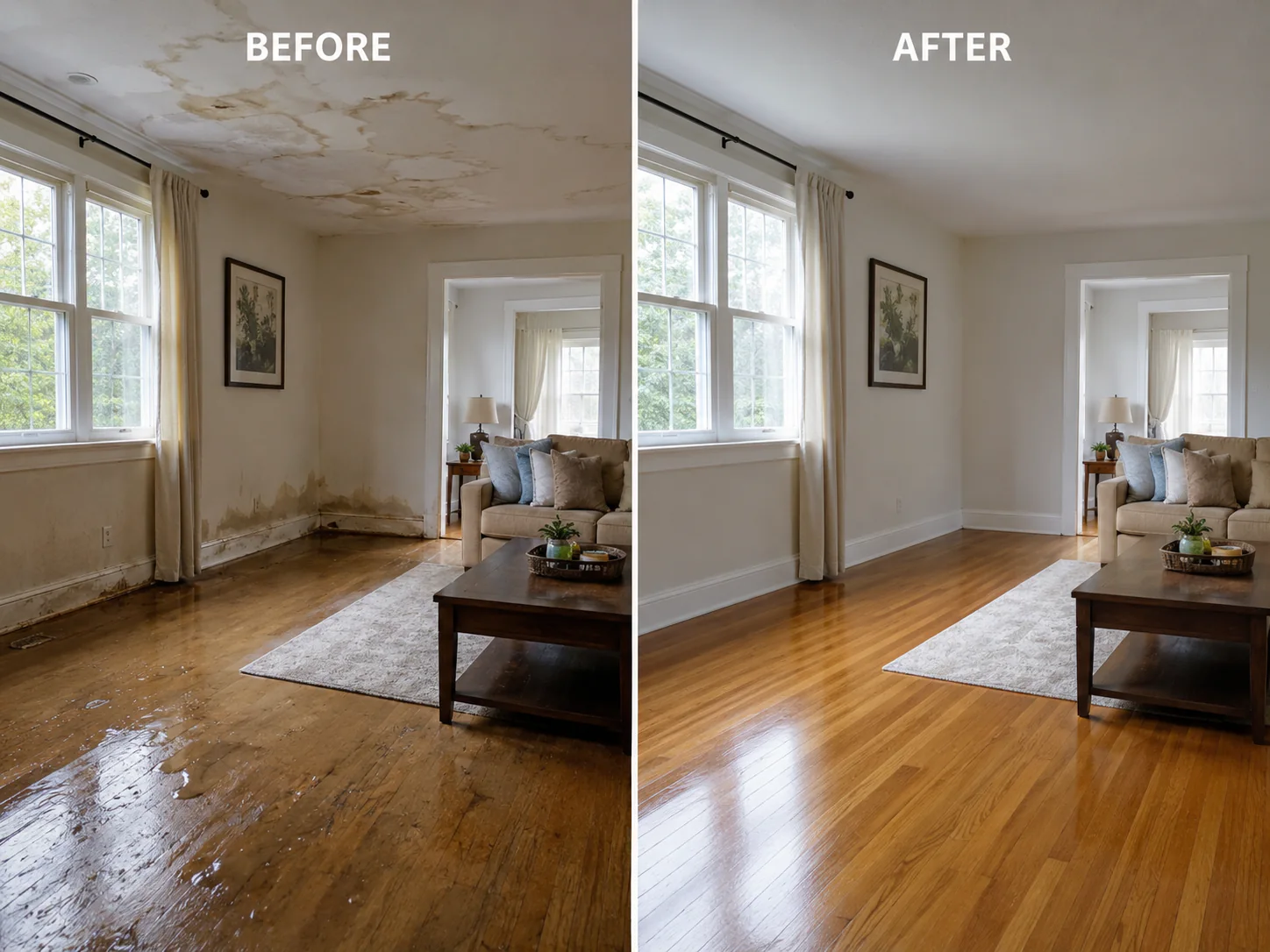
Ceilings show the same signs and are easy to miss
The EPA lists ceilings, along with the space behind walls, as areas often overlooked and not dried carefully after water gets in.
The Washington State Department of Health notes that some mold grows out of sight behind ceiling tiles. According to the EPA, porous materials like ceiling tiles sometimes need to be discarded once mold takes hold, since it can settle into their gaps and pores and may not come out completely.
Bathrooms need a closer look because they stay damp
The EPA says these areas should be watched for water and plumbing leaks, and rippling coverings, cracked tape or peeling paint there should be investigated quickly.
- Shower mold that keeps returning usually points to moisture. The EPA says better airflow, such as a fan or an open window, plus more frequent cleaning will usually keep it down.
Attics and basements hide water until it smells
The EPA names attics and crawl spaces among the hidden areas that get wet and are not dried, and says seepage into basements should be stopped quickly.
- Attic: a leaky roof brings in moisture mold thrives on; ventilating and insulating the attic helps.
- Basement: look for black or white specks on damp walls and a musty smell.
- Basement: ground that slopes toward the house lets water collect at the foundation.
- The EPA suggests considering a sump pump or regrading around the building to prevent repeat seepage.
Why the first two days matter and when to get help
Drying quickly is what prevents mold. The EPA says wet materials dried within 24 to 48 hours will, in most cases, not grow mold. Don't paint or caulk over a stain or mold; the Washington State Department of Health says mold grows under the paint and the paint peels.
- A small area of mold, under about ten square feet (roughly a three-by-three-foot patch), can generally be cleaned by the homeowner, per the Washington State Department of Health.
- More than ten square feet of mold damage: the same department suggests considering a cleaning professional, and recommends hiring one if the mold is hidden or sewage is involved.
- Mold in hidden places or touched by sewage: hire a professional.
- Fix the water source first; cleaning mold without fixing the leak usually means it returns.
How we check for water you can't see
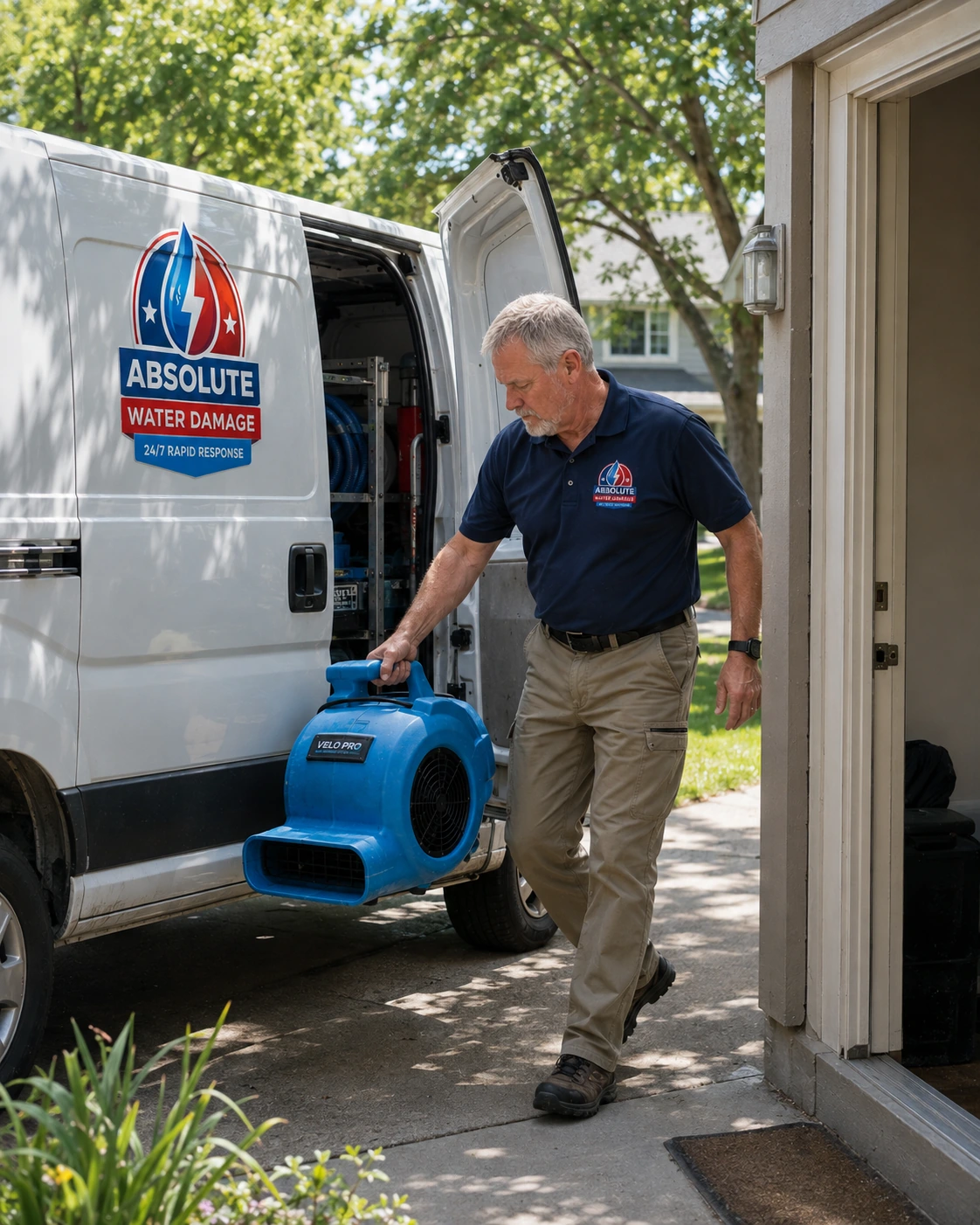
We bring infrared cameras and moisture detection equipment to find water behind surfaces before it becomes mold. Our technicians are IICRC certified. This matters because if a wall bay reads wet and gets closed anyway, you end up paying for the same repair twice next spring.
We can't give a number before we've seen the property, and we won't guess sight unseen. We assess first, then sit down with you to go through an estimate. We price in Xactimate, the software adjusters use, and in most losses we bill your carrier directly.
Common questions
Do I need to test for mold if I see signs of water damage?
Usually not. The Washington State Department of Health says sampling isn't needed in most cases because you can see or smell mold. A musty smell can mean it's hidden in walls, ceilings or under carpet, so protect yourself when investigating.
Can I paint over a water stain on a wall or ceiling?
Not until the source is fixed and the area is dry and clean. Paint over mold is likely to peel, and the mold keeps growing underneath.
What should I do before anyone comes out?
Photograph everything before you move it. If you are thinking about insurance, we will tell you what to expect before you file anything.
When can I reach you?
We answer 24 hours a day, seven days a week, at (206) 856-3173, or you can send a request online.
What happens next
Learn how we handle water damageSources
- Mold Course Chapter 9: | US EPA — epa.gov
- A Brief Guide to Mold, Moisture and Your Home | US EPA — epa.gov
- Mold | Washington State Department of Health — doh.wa.gov
- Mold & Air Quality | Snohomish County Health Department, WA — Snohomish County Health District